
Malta Marine Fuel Market Transitions Rapidly from Fuel Oil to Distillates
Malta's bunkering sector is undergoing a sharp shift from heavy fuel oil to distillates, driven by the Med ECA, reduced terminal capacity, and overlapping European climate regulations.
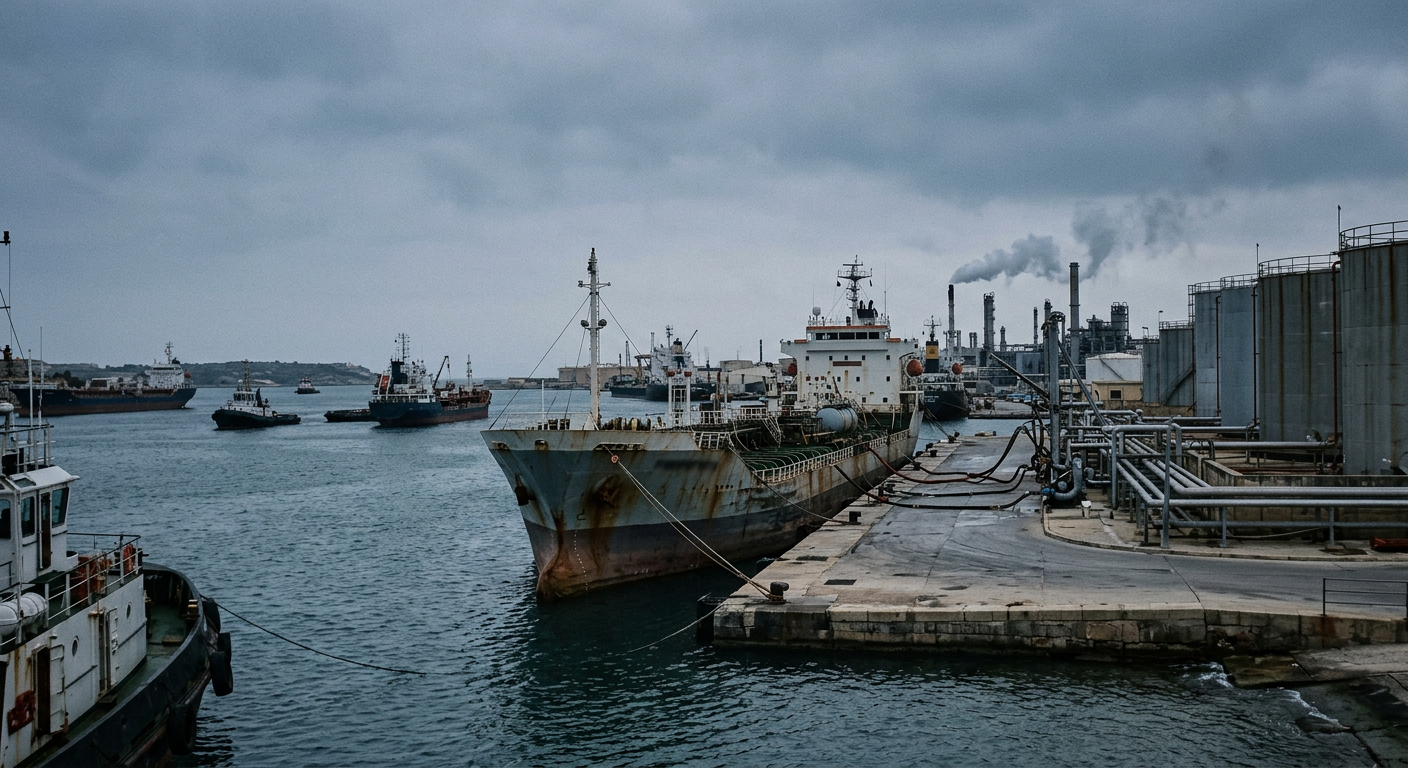
The marine refueling sector in Malta is experiencing a distinct transition from heavy residual fuels toward cleaner distillate marine fuels. Industry findings from physical supplier Alkagesta demonstrate that total fuel oil volumes on the island decreased by approximately 35% year-on-year between January and May 2026. Meanwhile, demand for DMA marine gasoil expanded sharply during the same timeframe as ship operators reconfigured their fuel purchasing.
The rapid operational rebalancing is primarily attributed to the enforcement of the Mediterranean Emission Control Area alongside constrained local infrastructure. Reduced onshore terminal capacity in Malta has curtailed traditional fuel oil storage capabilities, pushing suppliers and vessel owners to rely more heavily on compliant light distillates.
Regional fuel testing data compiled by VPS across major Mediterranean bunkering locations corroborates this structural pivot, with Valletta recording some of the most dramatic adjustments. In Valletta, VLSFO volumes contracted by 57%, whereas MGO testing activity more than tripled. Simultaneously, ULSFO volumes registered a steep surge, rising from 2,821 metric tons to 34,535 metric tons during the analyzed period.
Regulatory Pressures Influence Shipowner Behavior
This evolving product mix reflects broader compliance challenges across European shipping routes. Darren Axisa, Malta Country Manager at the group, pointed out that the combined effects of the Med ECA, the EU Emissions Trading System (EU ETS), and FuelEU Maritime mandates are heavily influencing shipowner operational decisions and fuel selection strategies.
Detailed in the firm's market analysis on Malta's bunkering dynamics, the interaction of strict emission controls and carbon pricing rules is compelling fleets to adjust their refueling patterns across Mediterranean corridors.
How successfully local suppliers navigate these regulatory shifts and infrastructure limitations will shape the island's long-term commercial positioning. As market dynamics continue to favor low-emission distillate options, Malta's role as a major regional fueling hub depends on its ongoing adaptation to these environmental standards.
Recent related coverage
Source & verification
- Original publisher
- Alkagesta
- Source published
- 26 Aug 2026, 16:02
- Retrieved
- 02 Sept 2026, 14:35
- Verification status
- verified source
Reported from material published by Alkagesta (https://alkagesta.com/alkagesta-market-insights-malta-bunkering-market-2026/). Paraphrased original coverage by the Pure Crude Trading editorial desk. Drafted with editorial AI assistance from the cited source and checked for factual consistency against it. It has not been independently reported by Pure Crude Trading.
Newsletter
Pure Crude Trading — Market & Trade Briefing
A concise briefing on commodity, energy, fuel oil, bunkering and shipping developments — written for traders, brokers, operators and analysts. No trading advice, no hype.
We use your address only to send the briefing. Unsubscribe at any time.