
Malta Bunkering Market Adapts to Med ECA Mandates and Infrastructure Bottlenecks
Malta's bunkering market experienced significant structural shifts in 2026 as Med ECA enforcement and local terminal constraints reshaped marine fuel demand and infrastructure dynamics across the Mediterranean.
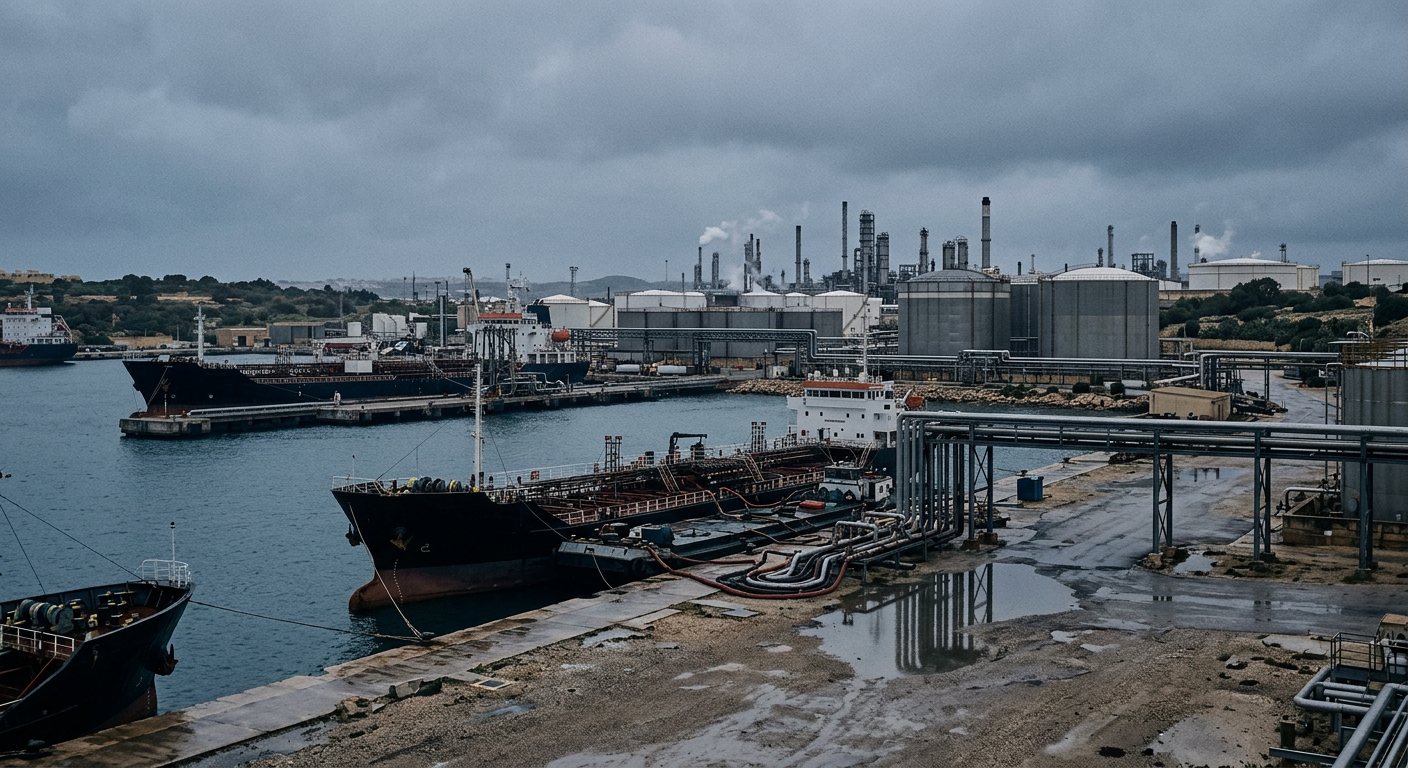
The marine fuelling market in Malta underwent notable operational realignments during 2026 as local terminal bottlenecks coincided with structural shifts in fuel demand across the Mediterranean basin. According to a market assessment on Malta's bunkering infrastructure and compliance landscape, the regional transition triggered by the Mediterranean Emission Control Area (Med ECA) in May 2025 has altered marine fuel specifications and bunkering strategy across major regional transit hubs. Although Malta recorded 3.9% GDP growth in the first quarter of 2026, its bunkering sector experienced a pronounced rotation away from high-sulphur heavy products toward low-sulphur distillate options.
Data from VPS covering the first six months following the Med ECA rollout indicates that across the ten largest Mediterranean bunkering ports, VLSFO consumption dropped by 23%, while marine gasoil (MGO) volumes more than doubled, ultra-low sulphur fuel oil (ULSFO) quadrupled, and biofuel consumption expanded fivefold. In Valletta, the product rotation proved even steeper: VLSFO deliveries fell 57% from 111,641 metric tonnes to 47,732 metric tonnes, whereas MGO rose from 33,299 metric tonnes to 103,445 metric tonnes, and ULSFO grew from 2,821 metric tonnes to 34,535 metric tonnes. This product transition has been further driven by EU ETS mandates and FuelEU Maritime regulations pushing shipowners toward low-emission fuels.
Superimposed on these regulatory dynamics were island-wide terminal capacity limitations between January and May 2026. Local fuel oil throughput fell approximately 35% year-on-year from roughly 382,000 metric tonnes in 2025 to 247,000 metric tonnes in 2026. In contrast, DMA demand expanded sharply, increasing from around 150,000 metric tonnes in the January-April 2025 period to 247,000 metric tonnes during the same months in 2026. During this period of constrained storage availability, alternative logistics points were called upon to handle supply flows, including energy trading firm Alkagesta, which maintains nearly 300,000 cubic metres of local storage capacity and utilised its Delimara facility to maintain fuel availability.
Navigating Operational and Infrastructure Bottlenecks
As the island's supply ecosystem moves toward normalisation, market participants face ongoing operational challenges tied to aging infrastructure. Older bunkering facilities across Malta face physical limitations when handling alternative fuel grades, particularly regarding tank segregation requirements and dedicated handling protocols. Darren Axisa, Country Manager Malta at Alkagesta, noted that local market stability relied heavily on securing alternative delivery routes for required fuels, emphasizing that controlling operational optionality across terminal access and compliant product streams remains a primary competitive factor for regional suppliers.
The structural pressures in Malta reflect broader competitive realignments occurring throughout European maritime corridors. Regulatory compliance surcharges drove a 25% year-on-year drop in Rotterdam’s first-quarter bunker volumes, while neighbouring Antwerp recorded a 16% volume increase as vessel operators adjusted port calls. Concurrently, the Gibraltar Port Authority highlighted risks that stringent European renewable rules might divert bunkering activity toward non-EU facilities, especially given that sustainable fuel alternatives continue to trade at premiums exceeding $700 per tonne over conventional fuel grades.
Industry experts stress that maintaining Malta’s position as a Mediterranean bunkering node will depend less on total storage volume—which already exceeds domestic requirements—and more on upgrading port efficiency and operational governance. Key targets for infrastructure modernization include improving pumping rates, berth availability, barge capabilities, and digital clearance processes. Having operated in Malta since 2018, Alkagesta saw its global trading volumes grow from roughly 5.2 million metric tonnes in 2023 to more than 8.7 million metric tonnes in 2025, reflecting a broader shift toward integrating physical supply with commodity trading and compliance management.
Recent related coverage
Source & verification
- Original publisher
- Alkagesta
- Source published
- 26 Aug 2026, 13:06
- Retrieved
- 02 Sept 2026, 14:37
- Verification status
- verified source
Reported from material published by Alkagesta (https://alkagesta.com/malta-bunkering-market-2026-infrastructure-compliance/). Paraphrased original coverage by the Pure Crude Trading editorial desk. Drafted with editorial AI assistance from the cited source and checked for factual consistency against it. It has not been independently reported by Pure Crude Trading.
Newsletter
Pure Crude Trading — Market & Trade Briefing
A concise briefing on commodity, energy, fuel oil, bunkering and shipping developments — written for traders, brokers, operators and analysts. No trading advice, no hype.
We use your address only to send the briefing. Unsubscribe at any time.