
Dual Shipping and Waterway Bottlenecks Strain Global Fuel Oil Supply
Global energy and bunker sectors face compound pressures from Middle Eastern shipping bottlenecks and record low Rhine water levels, according to industry analysis highlighted by Manifold Times.
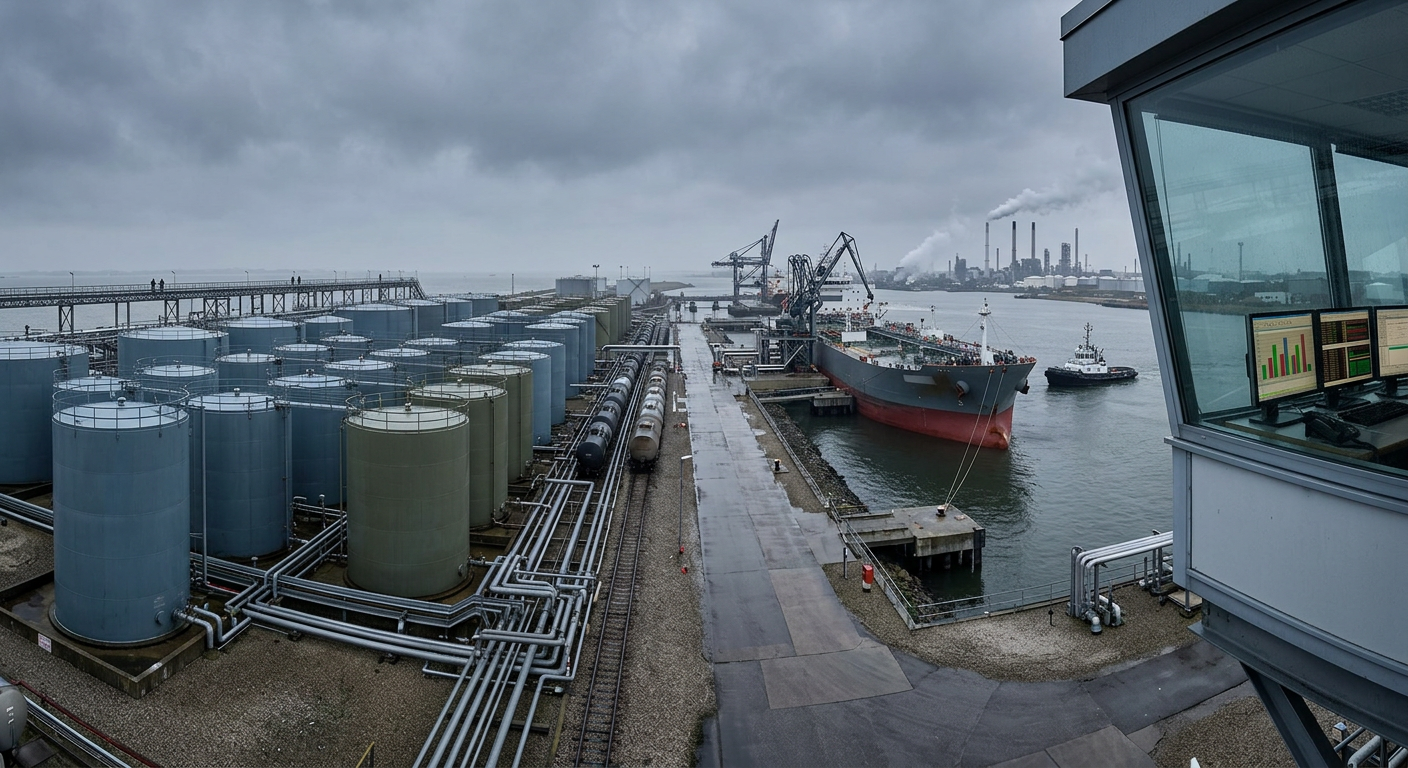
A convergence of logistical bottlenecks in major maritime transit corridors and inland river networks is placing severe pressure on global refined product supply chains. Industry publication Manifold Times recently featured market research from physical trading firm Alkagesta, which outlines how concurrent disruptions are constraining fuel oil availability across key trading hubs in Asia, Northwest Europe, and the Mediterranean basin.
At the center of the current market strain is an ongoing diplomatic deadlock preventing the reopening of the Strait of Hormuz. The prolonged standoff has disrupted traditional crude and product flow patterns out of the Persian Gulf, altering trade routes and delaying bulk movements toward downstream receiving terminals across Europe and Asia.
Compounding the maritime obstruction is a severe environmental crisis along Western Europe's vital inland commercial artery. Water levels on the Rhine River have dropped to a 140-year low, forcing barge operators to drastically reduce payload volumes. Operational capacity along the river has plummeted to between 15% and 20% of standard working levels, creating a massive logistical bottleneck for fuel distribution into continental hinterlands.
Logistical Shocks Drive Price Spreads and Import Shifts
The dual logistical constraints have triggered immediate realignments in regional trading patterns. In Southeast Asia, Middle Eastern fuel oil arrivals into Singapore surged nearly threefold week-over-week, hitting 328,878 metric tons for the week ending July 29 as buyers sought to cover shortfalls and secure prompt cargoes.
Simultaneously, an acute shortage of low-sulfur cutter stocks and blending streams has inflated market premiums for finished marine fuels. On August 3, the VLSFO Hi-5 price spread expanded to a multi-year high of $225.93 per metric ton, reflecting deep structural tightness in low-sulfur fuel oil supply.
Looking ahead, market projections published in Alkagesta's fuel oil insights indicate that prompt fuel availability will remain tightly constrained through the end of the third quarter. Furthermore, continued low water conditions on the Rhine present ongoing supply risks for inland distribution systems servicing Central and Eastern European energy consumers.
Recent related coverage
Source & verification
- Original publisher
- Alkagesta
- Source published
- 17 Aug 2026, 08:03
- Retrieved
- 02 Sept 2026, 14:39
- Verification status
- verified source
Reported from material published by Alkagesta (https://alkagesta.com/manifold-times-alkagesta-fuel-oil-insights/). Paraphrased original coverage by the Pure Crude Trading editorial desk. Drafted with editorial AI assistance from the cited source and checked for factual consistency against it. It has not been independently reported by Pure Crude Trading.
Newsletter
Pure Crude Trading — Market & Trade Briefing
A concise briefing on commodity, energy, fuel oil, bunkering and shipping developments — written for traders, brokers, operators and analysts. No trading advice, no hype.
We use your address only to send the briefing. Unsubscribe at any time.