
Strait of Hormuz Tanker Traffic Halts as US-Iran Conflict Shuts Key Gulf Energy Assets
Commercial tanker traffic through the Strait of Hormuz has stalled and major Gulf energy assets have shut down following US-Iran strikes, driving price gains across crude and natural gas benchmarks.
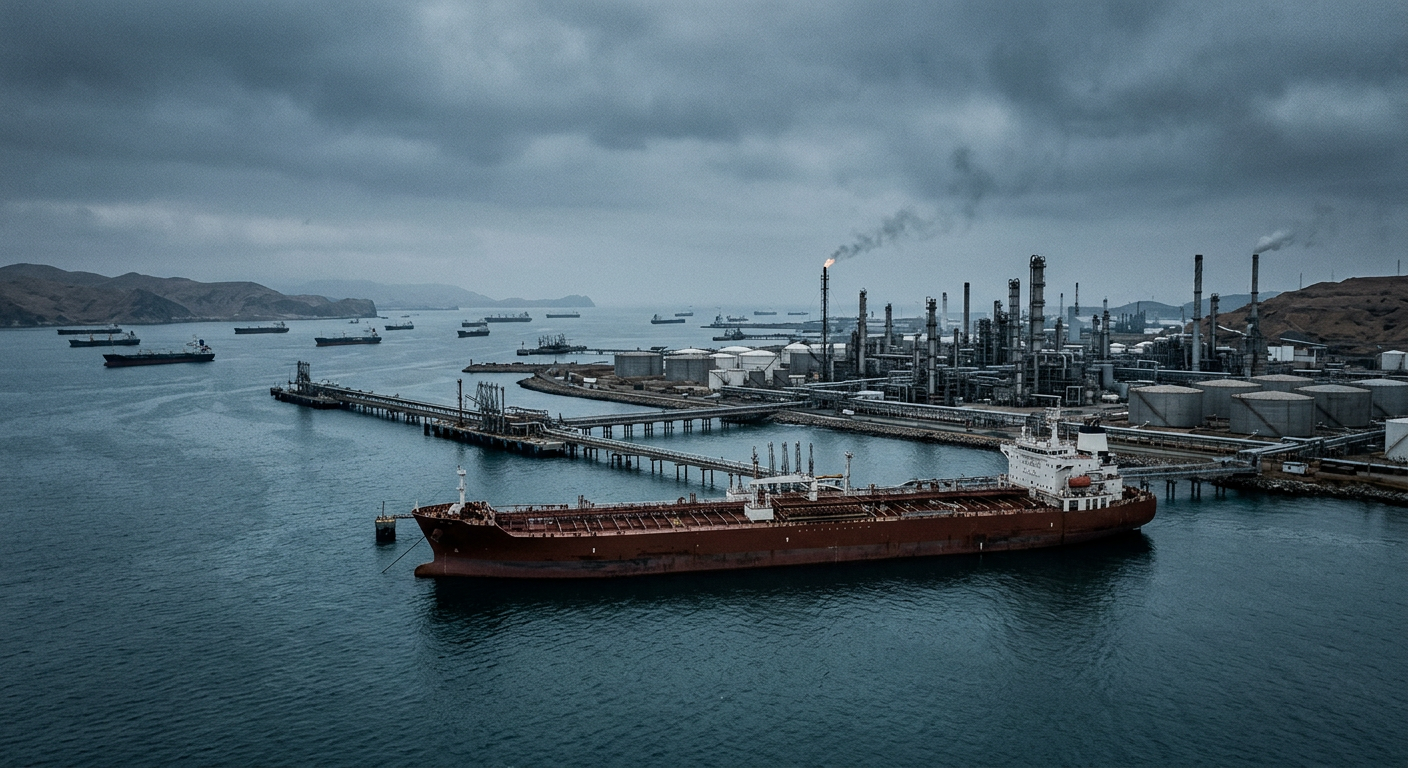
Global commodity trading desks, marine fuel suppliers, and maritime freight operators are managing acute supply-chain disruptions across the Middle East following an escalation in military hostilities between the United States and Iran. According to reporting by Bloomberg, commercial vessel traffic through the strategic Strait of Hormuz has nearly ground to a complete standstill over a four-day period. The sudden suspension of maritime movements has raised immediate concerns across global energy markets, as participants evaluate the vulnerability of critical maritime chokepoints and regional export infrastructure.
The physical impact of the confrontation intensified rapidly following Iranian drone and missile strikes directed at core industrial facilities in neighboring producer nations. These attacks forced the total operational shutdown of Saudi Arabia’s largest crude oil refinery. Simultaneously, the strikes caused the closure of the world’s largest liquefied natural gas production complex, shutting in substantial volumes of liquefied fuel and processing capacity that support overseas demand centers.
Maritime Disruptions and Critical Chokepoints
The navigational freeze within the Strait of Hormuz presents a critical challenge for global seaborne freight and chartering operations. The waterway serves as an essential corridor through which approximately one-fifth of global petroleum production is transported to international markets. The effective halt of tanker traffic along this artery threatens the continuity of physical crude deliveries, bunker fuel distribution, and downstream refining runs across major importing regions.
In addition to the disruptions affecting crude and oil product transit, Bloomberg noted that regional flows of liquefied petroleum gas have also been upended by the widening conflict. Heightened security risks have complicated vessel navigation and chartering schedules, particularly as naval ships operate in the waterway and neighboring nations including the United Arab Emirates work to fend off incoming strikes amid broader regional instability.
Price Reactions and Market Comparisons
Energy pricing has reacted sharply to the compounding physical constraints, though the magnitude of the financial response has differed notably from previous historical supply crises. In the oil market, Brent crude jumped on Monday to establish its highest trading level since 2024. However, market analysts observed that the overall scope of the crude price increase remained comparatively restrained given the severity of an outright transit halt in Hormuz and major refinery outages.
Natural gas markets experienced immediate upward volatility in response to the sudden loss of LNG output. European natural gas prices recorded an intraday surge of 39 percent following reports that the world's largest LNG facility had halted production. While substantial, this upward move was characterized as relatively muted compared to the extreme, historic price spikes that defined the European gas market during the 2021 to 2022 energy crisis.
As the military campaign and economic standoff between the United States and Iran persist with no immediate resolution in sight, energy traders, shipowners, and logistics planners continue to monitor the durability of physical export routes. With extensive sanctions, trade blockades, and defensive measures shaping regional operations, commodity markets remain exposed to ongoing friction across key Middle Eastern shipping lanes and refining hubs.
Sources
- Bloomberg, “Trump’s War on Iran Has Traders Staring Down an Energy Crisis”, 2026-03-03 — www.bloomberg.com
Reporting above was originally published by the outlets listed. Pure Crude Trading paraphrased and verified the material; the illustration is original AI-generated artwork and is not a photograph of the events described.
Source & verification
- Original publisher
- Bloomberg
- Source published
- 03 Mar 2026, 09:00
- Retrieved
- 04 Sept 2026, 06:25
- Verification status
- pass
Originally reported by Bloomberg. Drafted with editorial AI assistance from the cited source and checked for factual consistency against it. It has not been independently reported by Pure Crude Trading.
Newsletter
Pure Crude Trading — Market & Trade Briefing
A concise briefing on commodity, energy, fuel oil, bunkering and shipping developments — written for traders, brokers, operators and analysts. No trading advice, no hype.
We use your address only to send the briefing. Unsubscribe at any time.